

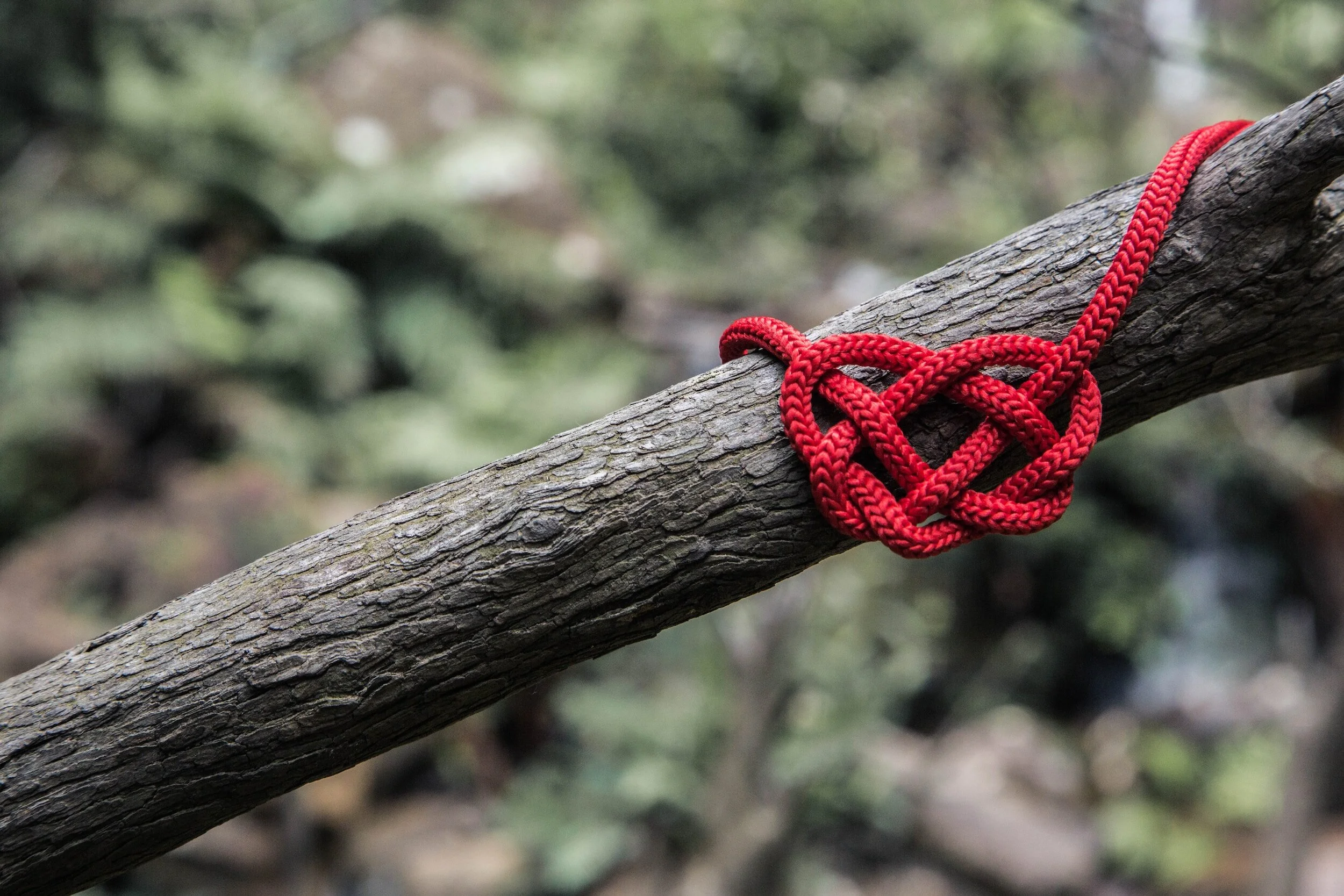
Relationship Conflict Counselling
As human beings, our greatest wounds come from relationships; yet, so can our greatest healing.
When our relationships are out of whack, it can feel like everything else in our life is misaligned. Whether this be tension with parents, children, between siblings, partners, or friends, relationship conflict is stressful. Navigating conflict and tension in your relationship can feel so scary! Many of us come into our current relationship with pre-existing beliefs about conflict, and when we are in periods of high stress, or pain, can find ourselves repeating long held patterns, even with someone new. It can feel so frustrating to feel stuck in a cycle of conflict. Once our nervous system is escalated it is hard to pivot and take in information or try something new.
Many of the wounds we carry occurred in relationships. It is one of life’s great ironies that we are hurt and also healed in relationships. For those of us carrying pain from previous experiences, it can feel incredibly scary to allow for vulnerability with someone new, even though allowing for a different experience is one of the biggest ways we heal our painful past.
Therapy can help you understand the role you play in the cycle of conflict you find yourself caught in, and give insight on how to change the way you respond and feel about tension in relationships. This can apply to family relationships, work partnerships, intimate relationships, and even friendships. There is a huge benefit to healing attachment wounds and creating impactful change in our relationship dynamics.
We support folks in all types of relationships, and offer individual therapy to help you understand the root cause of the pattern you find yourself repeating. We can also support you with relationship or family therapy.
Having someone help us understand where our reactions stem from when we are experiencing conflict can help us have a renewed sense of empathy for ourselves and our loved ones, creating space for a new and different experience.
Understanding Relationship Conflict
It is important to know that relationship conflict is normal and healthy. We all have our own perspectives, needs, wants, and biases, and it is not possible to be attuned to someone all the time, even in the healthiest relationship. Securely attached relationships go through a cycle of attunement, rupture, and then repair, finding their way back to attunement. In secure relationships, conflict is not something to be afraid of, as there is trust that repairing is possible, and can lead to greater intimacy and more understanding, actually creating a feeling of increased closeness.
For those of us who find relationship conflict something to be avoided, or even something that feels scary, that tends to be because relationships we had in the past did not follow the cycle of healthy repairs. This could look like a rupture being ignored, or even a relationship being cut off following a rupture. Having dynamics like this as part of your family of origin can lay the foundation for relationship challenges as an adult because we learn that conflict needs to be avoided at all cost. If we are avoiding all conflict, it means that someone’s needs and wants are being neglected, because no two people will be perfectly in sync all the time, and all healthy relationships require compromise and negotiation.
This is why when someone first learns to have boundaries and starts saying no, especially in a family system that has a history of conflict avoidance, they can feel like the problem, because they are disrupting the status quo. Often in this phase family members will say things like, why can’t we just all get along, or it’s more important for us to be together than resolve this, encouraging family members to ignore the rupture and just move forward. In this phase it is important to remember that ignoring hurts is not loving to yourself, or to the relationships that you hope can one day be healthy.
This is also why one of the dynamics that can be most challenging is between a parent and a child. There is a natural power imbalance present when we are children, where our agency and autonomy is limited, and parents get used to having control over decisions without needing to negotiate or compromise. As children get older and develop their sense of self, they separate from their parents, finding their own wants and needs. In a family dynamic where healthy relationship conflict is not modelled well, this can be viewed as confrontational or ‘too much’.
Over time, unaddressed relationship conflict leads to bitterness and resentment, causing the relationship to become more and more shallow. For folks who want depth in relationship, this realization can come with a lot of grief. This is why having someone you trust, like a therapist, who supports you as you navigate healing your own relationship and attachment wounds is so important.
How Counselling Can Help with Relationship Conflict
Counselling can be an important part of developing a new pattern for resolving conflict in relationships. The counselling relationship mimics real life, and can provide a space to practice. It is a sort of petri dish, where we get to test out saying no, setting boundaries, or sharing our true feelings in a space where we feel more confident we will be heard and supported before trying these skills out in other contexts.
Therapy can also help our relationships. As we heal individually, we are able to show up as our more regulated adult selves in our relationships, allowing us to stay present even when in conflict. Therapy even has the potential to provide what we’d call a “Corrective Emotional Experience”. This occurs when something that should have happened in the past but didn’t, gets to happen in the therapy space.
For example…maybe as a kid you experienced bullying in school. You tried to tell your parents but they weren’t sympathetic and responded by telling you to toughen up, saying ‘everyone gets bullied now and then, it’s not a big deal’. This taught you that they were not going to offer help, and so moving forward, you kept the bullying you were enduring to yourself.
Imagine you casually mention bullying to your therapist, saying something like “sure I was bullied as a kid, but everyone is and it’s not a big deal”, basically repeating what your parents told you at the time. Let’s say your therapist stops you and says something like ‘Wow, that must have been so hard to be bullied, I bet you felt really alone, what was that like for you?” asking you to share more because they genuinely want to know about your experience. This might be the first time you’ve felt compassion from someone about what you went through. This can allow you to access compassion for that younger you who had to live through this experience and felt so alone. Now instead of dismissing what you endured, you can feel sadness for yourself and anger that no one protected you. You’ve just accessed a new emotional experience allowing empathy and compassion to surface that did not have space before, correcting what had been wired in previously. This is part of healing attachment, allowing folks to transition from insecure to secure attachment in relationships.
Our Approach to Relationship Conflict
The style of therapy we are trained in, called AEDP, is highly relational. It involves a lot of experiential practice where in supportive training environments, we take turns being the therapist with each other. This helps us learn how to keep our own nervous systems regulated through tension or big emotions, so that we can also teach you these same skills. This is a big shift from talk therapy, where therapy stays in a place that is analytical, to a therapy that is based on a shared experience, where your therapist acts as an emotional guide, helping you learn new ways to experience your feelings, and as a result, have a new experience in moments of conflict.
At times, it can be hard to have compassion towards ourselves when we can see the things we learned in the past are holding us back from the life we want now. A skilled therapist can help explore the frustrations you feel and the sense of loss that can come from not learning healthier skills earlier, while also exploring empathy for the parts of us that did the best they could in the past under difficult circumstances. This can also help us heal the sense of inner conflict or turmoil we might feel, after all, our relationship with ourselves is the most important and longest one we will ever have.
Is Counselling for Relationship Conflict Right for You?
If you have been feeling frustrated that despite your best efforts you are not able to shift out of old patterns in conflict, or find yourself confused by the emotions that surface that seem disproportionate to the present situation you find yourself in, therapy can be a huge help. It is incredibly difficult to shift neural pathways without giving yourself the opportunity to have a new and different relational experience, and this is what therapists are trained to offer you. We can provide a space where there is curiosity and openness to explore what is happening for you in moments of conflict, track your emotions and somatic responses, and explore what inner beliefs or dialogue they are connected to, so that we can offer moments of change and transformation. You do not have to stay stuck where you are, and you don’t have to navigate this alone.
Take the Next Step
If any of this resonates with you, and you feel ready to take the next step, we would love to talk to you and see how we can support you on your journey towards healthier relationships. Reach out to us today to schedule a consultation!
Relationship Conflict Counsellors
Looking for support with relationship conflict? The following counsellors currently offer counselling in this area:
Elise → View Profile
Kaleigh → View Profile
Not sure who would be the best fit? Contact us and we’ll help connect you with the right counsellor.